The Shire of Donnybrook Balingup is progressing a new Local Planning Strategy intended to guide land-use planning over the next 15 years. That work can be relevant to owners thinking about a future sale, particularly where buyers may ask about growth areas, housing, rural land, town-centre development, tourism, infrastructure or subdivision.
The important distinction is timing and legal effect. A strategy is a strategic document. It can inform future decisions and later changes, but it is not the same as the operative Local Planning Scheme, a rezoning, a subdivision approval or a development approval. A seller should not turn a broad strategic direction into a promise about one property.
This article is general sale-preparation information, not legal, planning, subdivision, valuation, environmental or development advice. The strategy is still in draft form at the date below. Confirm current status, zoning and address-specific requirements with the Shire and appropriate professionals before making a decision or representation.
Where the draft strategy sits as at October 2026
The Shire says the draft Local Planning Strategy is intended to guide land use and development for the next 15 years. Public advertising closed on 14 May 2024. The Shire received 163 public submissions and nine agency submissions, reviewed the feedback and considered the draft and proposed modifications at a Council meeting in June 2026.
After that consideration, the draft was submitted to the Western Australian Planning Commission for endorsement. The Shire's current project page says no timeframe has been provided for the Commission's review and endorsement. That means the document should be described as a draft submitted for endorsement, not as an approved new planning framework.
A campaign prepared today should cite the status and the date it was checked. If the status changes while the property is on the market, the agent and seller should refresh the wording and supporting link.
Current project source: Shire of Donnybrook Balingup — Our Local Planning Strategy and Scheme, checked 8 October 2026.
Current zoning still comes first
The Shire's planning information states that its Local Planning Scheme is the key current document guiding land use and development. Scheme maps identify zoning, and the scheme text contains objectives, land-use classifications and development requirements. The Shire also directs users to PlanWA for additional planning information.
For a sale file, begin with the current scheme map and Local Planning Scheme No. 7. Record the zone and date checked, then identify relevant special control areas, structure plans, local development plans, local planning policies and property-specific approvals. The Donnybrook zoning and land-use seller guide explains how those layers fit together.
Do not rely on an informal map screenshot alone. Where a claim is commercially important, request current written planning information or obtain professional advice. The Shire's planning FAQs explain that property-specific planning information requests are available and that scheme maps should be used with the scheme text.
Current planning source: Shire of Donnybrook Balingup — Planning FAQs and information sheets, checked 8 October 2026.
A strategy does not rezone an individual property
A strategic map may identify an investigation area, preferred growth direction, environmental consideration or future planning objective. That does not by itself amend the zone on the operative scheme map. Later work may require further investigations, infrastructure planning, structure plans, scheme amendments, public consultation and formal decisions by several authorities.
The same caution applies to subdivision. Strategic support for growth does not establish lot yield, timing, servicing, road access, environmental acceptability or approval. The Western Australian Planning Commission determines subdivision applications, and site constraints can materially affect an outcome.
If a seller has commissioned a planning report or concept plan, label it accurately. A concept prepared by a consultant is not an approval. If a valid approval exists, provide the reference, approved plans, conditions, date and expiry details through the licensed agent and settlement advisers.
“The draft strategy identifies broader planning work in the area” is very different from “this land will be rezoned” or “the block can be subdivided”. Only claim the current rights and approvals that can be verified.
Build an address-specific planning evidence file
Start with title and survey information obtained through the appropriate professional or service. Add the current scheme map, relevant zone provisions, local policies, structure plans and any written planning information for the address. Then collect every development approval, building permit, health approval and condition affecting the improvements or land use.
Compare the approvals with the current property. Check dwellings, sheds, ancillary accommodation, farm buildings, home businesses, tourist uses, roadside sales, workshops and other visible activity. Long use does not automatically establish planning approval, and a former owner's arrangement may not transfer to a new use.
For land promoted with future potential, also organise service information, road and access records, bushfire mapping, wastewater evidence, water licences, environmental reports, easements and covenants. The Donnybrook title, easement and covenant guide and subdivision-potential seller guide provide more detailed checklists.
Review every future-use statement before publishing
Words such as “development site”, “subdividable”, “rezoning potential”, “future residential”, “commercial opportunity” and “tourism potential” can materially influence buyers. They should not be used simply because the land is large, near town or mentioned within a strategic document.
Ask three questions for every proposed claim. What is legally in effect today? What verified document supports the statement? What further approvals, investigations or infrastructure would a buyer still need? The answers can be recorded in a campaign evidence table for the agent and copywriter.
Where uncertainty remains, use factual language and invite independent enquiries. For example, describe the current zoning, existing approvals and the date on which the draft strategy status was checked. Link to the Shire's official page rather than paraphrasing a future outcome.
Present productive and lifestyle land without speculation
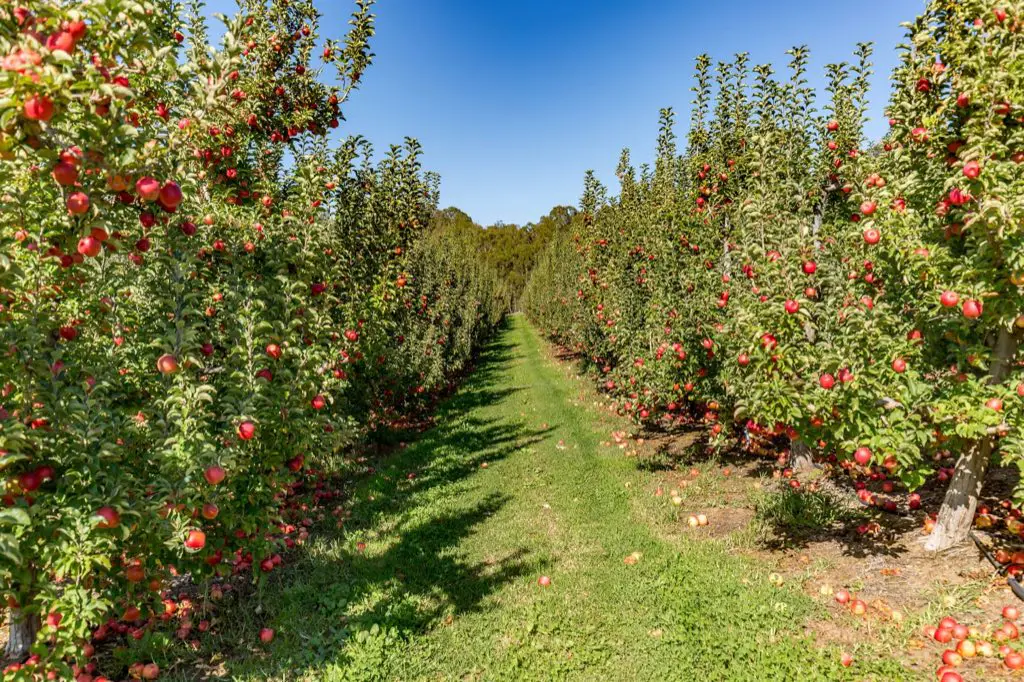
Donnybrook's orchards, small farms, rural residences and town properties attract different buyer groups. A strong campaign can explain existing improvements, productive history, water, access, services and the relationship between the home and land without depending on a future planning story.
Use photography and video to show the property as it exists. Aerial imagery can explain the layout of dwellings, sheds, orchards, dams, tracks and neighbouring land, but it is not a survey. Any boundary overlay should be based on suitable information and clearly described as indicative.
Seasonal images need dates where condition matters. An orchard photographed during blossom, a dam photographed after winter rain or green pasture shown in spring may look different at inspection. Accurate captions help buyers interpret what they see without assuming year-round conditions or guaranteed production.
Keep proposed change separate from approved improvements
A seller may have lodged a scheme amendment, subdivision concept or development application. Keep submitted, advertised, recommended, approved and implemented stages separate in the document index and marketing. If a decision is pending, explain who is determining it and avoid predicting the outcome or timeframe.
Likewise, do not use a draft strategic document to overlook missing records for work already completed. A future planning direction does not retrospectively approve an existing converted shed, unapproved accommodation or changed land use. The Donnybrook building-records and unauthorised-work guide helps organise current improvements.
Use fresh Donnybrook market evidence carefully
REIWA's Donnybrook profile was updated 7 October 2026 using transactions for the 12 months ending September 2026. It reported a median house sale price of $760,000, a lower quartile of $650,000, an upper quartile of $891,000 and a median house selling time of 54 days. The median advertised or leased house rent shown was $580 per week.
Those suburb figures describe a group of transactions. They do not price a particular town home, orchard, development parcel or rural holding, and they do not place a value on speculative future planning potential. Current comparable sales, zoning, approvals, land, buildings, water, condition and buyer demand require property-specific assessment.
Market source: REIWA Donnybrook suburb profile, data updated 7 October 2026 and checked 8 October 2026.
Draft-strategy seller checklist
- Record the draft strategy's current status and the date checked.
- Confirm the property's operative zoning under Local Planning Scheme No. 7.
- Check policies, special controls, structure plans and current approvals.
- Compare approved uses and plans with the property as it exists.
- Separate strategic direction from rezoning, subdivision and development approval.
- Support every future-use claim with current professional evidence.
- Organise title, access, services, water, wastewater and environmental records.
- Label concepts, indicative boundaries and seasonal images accurately.
- Refresh campaign wording if the strategy status changes during the sale.
Prepare an evidence-led Donnybrook campaign
Request a free property appraisal introduction and marketing review. A licensed professional can assess current market evidence and help coordinate accurate planning, land and visual information for buyers.
Request a free property appraisal